

Treadmill Home
Add a review FollowOverview
-
Founded Date October 29, 1975
-
Sectors Accounting
-
Posted Jobs 0
-
Viewed 15
Company Description
How To Outsmart Your Boss In New Treadmill
The Essential Guide to Buying a New Treadmill: What You Need to Know
As physical fitness lovers continue to seek flexible and reliable methods to keep their physical health, treadmills stay a staple in home and business health clubs alike. The technology and functions of treadmills have actually advanced significantly in recent years, making now an exceptional time to think about purchasing a new treadmill. This post aims to guide prospective buyers through important factors to consider, different kinds of treadmills available, and regularly asked concerns to ensure they make an educated option.
Understanding Treadmill Types
Before diving into particular brands, it’s worth understanding the primary types of treadmills offered in the market. This introduction will assist individuals identify which type best fits their fitness needs and spending plan.
1. Handbook Treadmills
- Description: These treadmills do not depend on electrical power and are powered entirely by the user’s motion.
- Pros:
- Generally cheaper.
- Compact and lightweight, making them easy to store.
- Cons:
- Limited features compared to motorized treadmills.
- Less ideal for high-intensity exercises.
2. Motorized Treadmills
- Description: These treadmills come geared up with electric motors that help with movement and permit adjustable speed settings.
- Pros:
- Offer a wide variety of speed and slope alternatives.
- Frequently equipped with sophisticated technology, including workout programs and heart rate displays.
- Cons:
- More costly and require more maintenance.
- Heavier, making them difficult to move.
3. Folding Treadmills
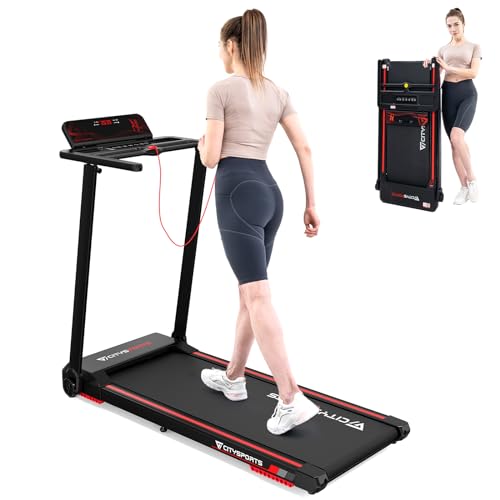
- Description: These treadmills can be folded for benefit, making them an excellent choice for those with minimal space.
- Pros:
- Space-saving design.
- Still provides motorized choices.
- Cons:
- May sacrifice some stability and toughness for portability.
4. Commercial Treadmills
- Description: Designed specifically for gyms and fitness centers, these treadmills are developed with more resilient products.
- Pros:
- High-quality building and durability.
- Functions designed for intensive use.
- Cons:
- Generally more pricey and larger in size.
Contrast Table of Treadmill Types
| Treadmill Type | Power Source | Secret Features | Rate Range | Ideal For |
|---|---|---|---|---|
| Manual | None | Standard functionality | ₤ 100 – ₤ 500 | Novices, budget users |
| Motorized | Electric | Adjustable speed/incline | ₤ 500 – ₤ 3,000 | All physical fitness levels |
| folding treadmills uk | Electric | Space-saving functions | ₤ 300 – ₤ 1,500 | Minimal space users |
| Industrial | Electric | Resilience and efficiency | ₤ 1,500 – ₤ 8,000 | Health clubs, heavy use |
Key Features to Look For
When acquiring a new treadmill home, a number of key functions ought to be thought about:
-
Motor Power (HP): A more powerful motor (at least 2.5 HP) is vital for running and for users who plan to utilize the treadmill regularly.
-
Running Surface: Consider the size of the belt. A longer and larger running surface area can accommodate longer strides and offers much better security.
-
Incline Options: Adjustable incline can include strength to exercises and target different muscle groups.
-
Exercise Programs: Many treadmills offer integrated exercise programs that can guide users through numerous exercises and routines.
-
Display Features: A clear screen enables users to track their speed, distance, calories burned, and heart rate more quickly.
-
Cushioning: Adequate shock absorption can minimize the risk of injury and offer a more comfortable running experience.
-
Innovation Integration: Features like Bluetooth connection, mobile app integration, and integrated speakers can boost the workout experience.
Regularly Asked Questions (FAQs)
Q1: How much should I budget plan for a treadmill?
A: Budget can differ based upon functions and quality. Manual treadmills begin around ₤ 100, while motorized designs can range from ₤ 500 to ₤ 3,000, depending upon sophisticated features.
Q2: How typically should I keep my treadmill?
A: Regular upkeep, consisting of lubricating the belt and checking the motor, ought to be done monthly. Examine the treadmill for wear and tear often.
Q3: Can I drop weight with a treadmill?
A: Yes, regular usage of the treadmill, integrated with a healthy diet plan, can help with weight loss. Integrating interval training increases intensity and calorie burn.
Q4: Is it better to work on a treadmill or outdoors?
A: Both have benefits. Treadmills provide a regulated environment and cushioning, while outdoor running deals varied surroundings and natural slopes.
Q5: Do I require special shoes for utilizing a treadmill?
A: While particular treadmill brands shoes aren’t needed, wearing good-quality running shoes created for support, cushioning, and stability is suggested.
Purchasing a new treadmill can significantly impact one’s physical fitness journey, offering chances to work out at home despite weather. By understanding the types of treadmills readily available and considering necessary features, people can choose a model that fits their way of life and physical fitness objectives. Whether going for casual walks or extreme running sessions, the best treadmill can transform workout regimens, making them more enjoyable and effective. With the rise in innovation and innovative styles, the treadmill for home use uk sale (weeks-marks.Mdwrite.net) stays a classic and valuable tool in individual fitness.