

Baby Beds
Add a review FollowOverview
-
Founded Date December 11, 1979
-
Sectors Support
-
Posted Jobs 0
-
Viewed 10
Company Description
10 Baby Cots Tips All Experts Recommend
The Ultimate Guide to Baby Cots: Choosing the very best for Your Little One
When it comes to getting ready for a brand-new arrival, choosing the right baby cot is one of the most important choices expectant moms and dads will make. A baby cot serves not just as a location for the baby to sleep however likewise as a safe sanctuary where they can grow, check out, and develop. This guide delves into the different types of baby cots, key considerations for selection, security requirements, and more, helping parents navigate the myriad choices offered.
Kinds Of Baby Cots
Selecting a baby cot involves comprehending the various types readily available on the marketplace. Each has its special features and advantages that accommodate different requirements and way of lives:
| Type of Cot | Description |
|---|---|
| Standard Cot | A conventional style with fixed sides, created for long-lasting use until the child shifts to a bed. |
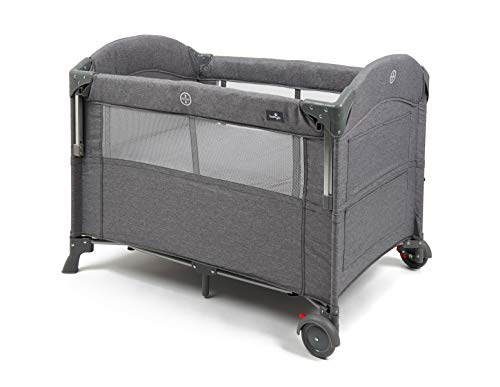
| Portable Cot | Lightweight and retractable, perfect for travel or smaller home. |
| Crib | Typically smaller than a standard cot, created specifically for infants. |
| Convertible Cot | A versatile alternative that can change into a young child bed, daybed, or perhaps a full-size bed as the child grows. |
| Co-Sleeper | A bedside crib that attaches to the parents’ bed, permitting easy nighttime access while keeping the baby safe. |
| Moses Basket | A light-weight, portable basket perfect for babies, enabling easy movement from space to room. |
Secret Considerations When Choosing a Baby Cot
Choosing the right cot includes a number of factors to consider to guarantee it satisfies security requirements while likewise being practical for daily usage. Here are some important factors to bear in mind:
- Safety Standards: Ensure that the cot satisfies the security regulations set by your nation’s requirements.
- Product: Look for non-toxic materials that won’t seep hazardous chemicals into the baby’s environment.
- Adjustable Height: Consider cots with adjustable mattress heights, that make it easier to raise the baby in and out as they grow.
- Size: Make sure the cot fits comfortably in the designated space, allowing room for safe movement around it.
- Longevity: Opt for convertible cots that can shift as your child grows, saving both area and cash.
- Aesthetic Appeal: Select a style and color that matches your nursery design.
- Relieve of Assembly: Review how complex the assembly procedure is; some cots can be cumbersome to create.
Safety Tips for Baby Cots
Guaranteeing the baby’s safety while they sleep is vital. Here are necessary security tips for baby cots:
- Use a Firm Mattress: A company mattress that fits comfortably in the cot reduces the danger of suffocation.
- Bedding: Keep soft bed linen, pillows, and toys out of the cot to reduce the risk of Sudden Infant Death Syndrome (SIDS).
- Inspect for Gaps: Ensure that the side rails and bed mattress do not have gaps where the baby might get caught.
- Stability: Confirm that the cot is tough and does not wobble or tilt when weight is used.
- Regular Inspections: Frequently look for loose screws or damaged parts that could pose risks.
- Always Keep the Cot Away from Hazards: Position the cot away from windows, cords, and other possible safety risks.
Additional Features to Consider
Beyond fundamental security and performance, numerous contemporary baby cots come geared up with additional functions created to boost functionality and convenience:
- Mobiles: These can assist relieve a baby and stimulate their visual development.
- Storage Options: Cots with integrated drawers or shelves can assist with organization, keeping vital items within reach.
- Convertibility: Look for cots that feature conversion packages for eventual improvement into beds as your kid grows.
- Bed Mattress Height Adjustability: Adjusting the height of the mattress can accommodate various age and mobility levels.
- Wheels for Mobility: Some cots feature locking wheels, allowing parents to move them quickly from space to room.
Frequently Asked Questions About Baby Cots
Q1: How long can a baby use a cot?
A lot of babies can use a cot from birth until they are roughly 2-3 years of ages, depending upon their size and the cot’s weight limitation.
Q2: When should I shift my baby from a cot to a bed?
It is usually best to transition your kid when they begin to climb up out of the cot or reach the weight limit, normally around 2-3 years of age.
Q3: Is it safe to use second-hand baby cots?
Second-hand furnishings can be utilized, but it’s necessary to guarantee the cot meets existing security requirements and hasn’t been remembered. Examine for wear and tear and ensure it is free from risks.
Q4: What are the very best materials for baby cots?
Choose cots made from hardwood or top quality composite materials that are certified devoid of harmful compounds.
Q5: Should I get a crib or a bassinet for a newborn?
A bassinet may be a much better momentary option for babies as it is smaller sized and more portable, enabling close sleeping arrangements. However, a crib or cot is a long-lasting option as the baby grows.
Picking the best baby cot is a substantial financial investment in your child’s security and convenience. By understanding the various kinds of cots readily available, crucial functions to search for, and vital safety measures, parents can make informed decisions that accommodate their household’s requirements. Putting in the time to pick a suitable cot can promote a safe sleeping environment, granting peace of mind as they welcome their new addition into the world. Whether choosing a basic Cot Sets [Www.Barrystevenson.Uk], a portable alternative, or a trendy co-sleeper, ensuring safety, quality, and practicality will cause many peaceful nights ahead for both parents and baby.